
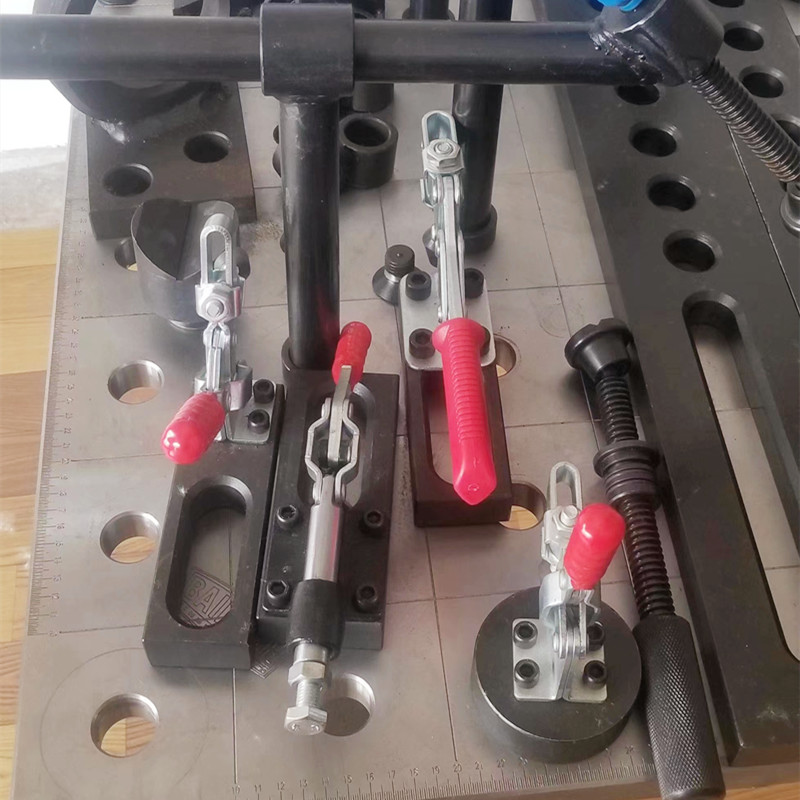
bent laminated glass
Understanding Thread Ring Gauge 6G An Essential Tool in Precision Engineering In the realm of precision engineering, ensuring the correct fit and functionality of threaded components is paramount. One of the vital instruments used in this process is the thread ring gauge. Specifically, the 6G thread ring gauge is integral in verifying the dimensions and integrity of threaded parts to guarantee they meet industry standards. What is a Thread Ring Gauge? A thread ring gauge is a specialized tool designed to check the accuracy of external threads on cylindrical objects, like bolts and screws. It serves as a means of inspection, ensuring that the threads conform to specified tolerances. The concept of gauging is rooted in the need for quality control; the right gauge ensures parts fit together properly, supporting overall assembly efficiency and safety. Understanding the 6G Tolerance Class The 6G designation refers to a specific tolerance class defined by the American National Standards Institute (ANSI) and is widely recognized in the manufacturing industry. This classification denotes not just the size of the thread but also encompasses tolerance, which is the allowable deviation in size between parts that are meant to fit together. The 6G tolerance is particularly significant for threaded connections subjected to high-stress applications, such as in the automotive and aerospace industries. In this context, it is critical that the threads are neither too loose nor too tight, as both conditions could lead to catastrophic failures. A 6G gauge will facilitate the checking of both pitch diameter and effective diameter, ensuring the threaded part meets the required specifications. Importance of Accurate Gauging Utilizing a thread ring gauge like the 6G is essential for several reasons 1. Safety In applications where components are critical to safety, such as in machinery or vehicles, using a gauge ensures that threads are manufactured to exact specifications, reducing risks associated with component failure. thread ring gauge 6g 2. Quality Control A precise gauging process allows manufacturers to maintain high-quality standards. Regular inspections using standards like the 6G gauge help in identifying subpar threads early in the production process. 3. Interchangeability The 6G standard ensures that parts produced in different locations or by different manufacturers can be assembled together without issues. This interchangeability is crucial in global supply chains. 4. Cost Efficiency By ensuring that threaded components meet the required tolerances from the outset, businesses can minimize waste and the costs associated with rework or scrapping defective parts. How Thread Ring Gauges are Used Using a thread ring gauge, engineers and technicians can perform a series of tests on threaded components. Typically, a gauge will have an internal thread corresponding to the specific size and tolerance of the part being inspected. The threaded component is then carefully screwed into the gauge. - Go Gauge This part of the thread gauge checks the minimum size, ensuring that the threaded part can properly fit into the gauge. If the component can screw in without excessive resistance, the external thread passes the first test. - No-Go Gauge This part checks the maximum size; if the threaded part fits into the no-go gauge, it signifies that the external threads are oversized and out of tolerance. Conclusion In conclusion, the thread ring gauge 6G plays a pivotal role in the manufacturing and quality control of threaded components. Its tolerance specifications ensure that products are interchangeable, safe, and reliable. As industries continue to advance, the importance of precise metrology tools like the 6G thread ring gauge cannot be overstated. As professionals commit to maintaining high standards of quality and safety, the thread ring gauge remains a cornerstone of precision engineering practices.
about
bent laminated glass
Understanding Globe Valve Threaded Connections Globe valves, a staple in the world of industrial plumbing and fluid control systems, are known for their precision flow regulation capabilities. A key aspect of these valves is their threaded connections, which play a pivotal role in their installation, functionality, and maintenance. A globe valve, named after its spherical body design, is primarily used for on/off control or throttling applications. It consists of a disk-like closure member that moves linearly along an axis perpendicular to the flow path, hence the 'globe' moniker. The valve's design allows for precise control over fluid flow by adjusting the position of the disc within the valve body. Threaded connections in globe valves refer to the screw-like threads cut into the ends of the valve body, enabling it to be screwed into a mating thread in a pipeline. These threads can be either male or female, with the former protruding outwards and the latter recessed inside. The most common thread types used in globe valves are NPT (National Pipe Taper), BSP (British Standard Pipe), and metric threads, each designed to ensure a tight seal when assembled. The threading in globe valves offers several advantages. Firstly, they allow for easy installation and removal, making maintenance and repair tasks more convenient. Secondly, threaded connections provide a secure seal without the need for additional sealing materials, reducing the risk of leaks. However, it's crucial to ensure proper tightening to avoid damage to the threads or leaks due to over-tightening However, it's crucial to ensure proper tightening to avoid damage to the threads or leaks due to over-tightening However, it's crucial to ensure proper tightening to avoid damage to the threads or leaks due to over-tightening However, it's crucial to ensure proper tightening to avoid damage to the threads or leaks due to over-tightening globe valve threaded . Threaded globe valves are widely used in low-pressure applications where quick installation and dismantling are required. They are commonly found in water supply systems, heating systems, and chemical processing plants, among others. The threaded connection also allows for flexibility in positioning the valve along the pipeline, offering versatility in system design. Despite their benefits, threaded globe valves have limitations too. They may not be suitable for high-pressure or large diameter pipelines due to the potential stress on the threads. Also, they require careful handling during installation to prevent cross-threading, which could damage the threads and compromise the integrity of the connection. In conclusion, the threaded connection in globe valves is a practical and efficient solution for many fluid control applications. It combines ease of installation, reliable sealing, and adaptability, making it a popular choice in various industries. However, understanding the specific requirements and limitations of each application is crucial to ensure the optimal use and longevity of these valves.
-

High quality industrial productsagement

High quality industrial products
View Details -

Meet the diverse needs of customers

Meet the diverse needs of customers
View Details -

Strict quality control

Strict quality control
View Details -

Top raw materials

Top raw materials
View Details -

Trusted supplier

Trusted supplier
View Details
Our application


news and information
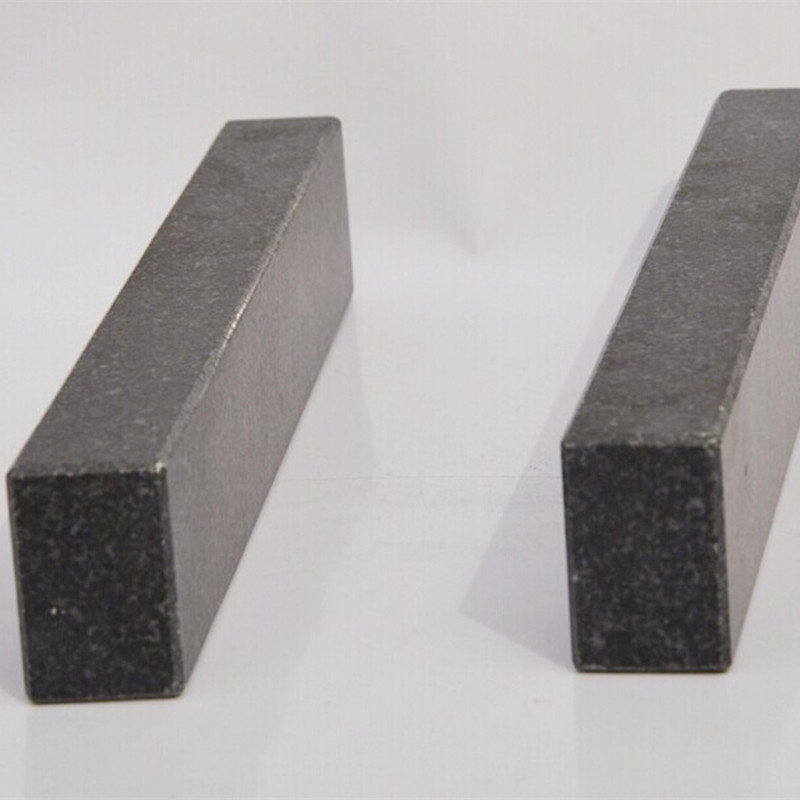
Using Ring Gauge for Precision Measurement in Quality Control Applications
ring gauge is used for checking .
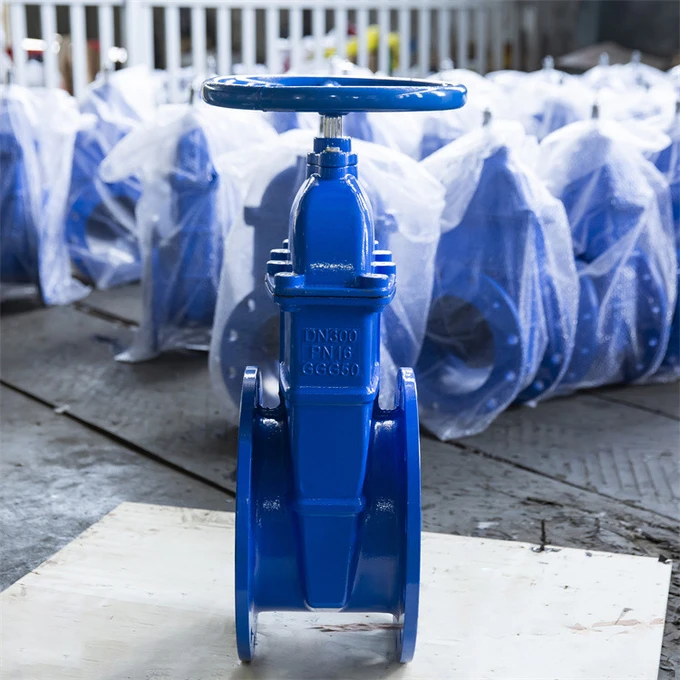
Versatile Magnetic Vee Block for Precision Workholding and Machining Applications
The Magnetic Vee Block A Versatile Tool for Precision Alignment In the realm of manufacturing and ma
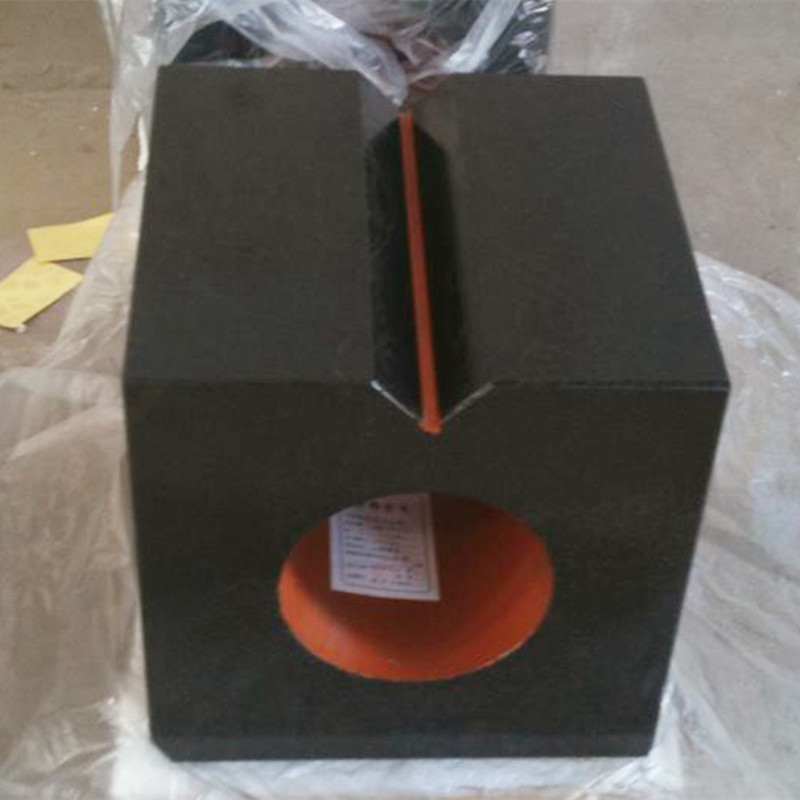
Versatile Metal Saddle Clamp for Securely Holding Pipes and Tubing in Various Applications
The Importance of Metal Saddle Clamps in Modern Applications In the world of engineering and constru
 English